


The basics:
- Quest Diagnostics analyzed over 8M U.S. workforce drug tests
- Fentanyl positivity surged in random tests, up 707% vs. pre-employment
- 60% of fentanyl-positive results also showed other substances
- Marijuana remains most common, with 7.3% positivity post-accident
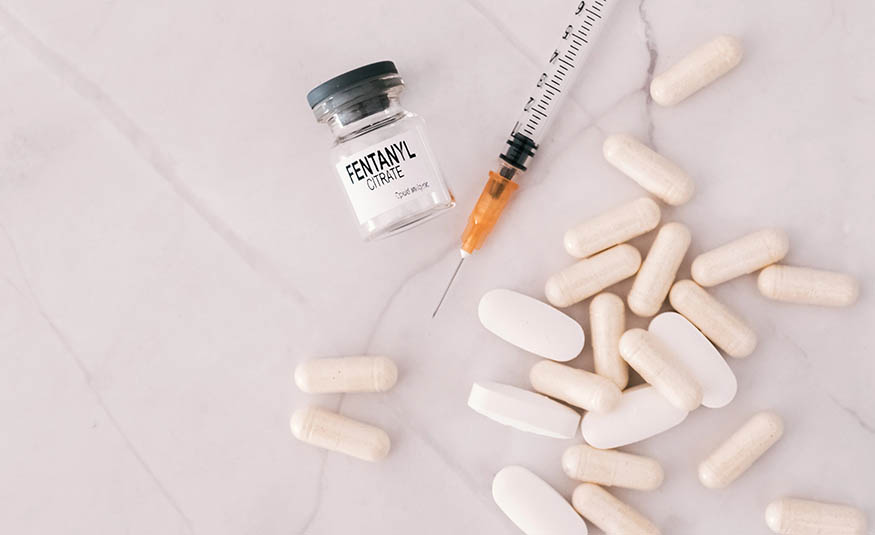
More and more workers in the U.S. are testing positive for fentanyl use during random drug tests, according to new data from Quest Diagnostics.
After analyzing more than 8 million workforce drug tests conducted over the past year, the Secaucus-based testing provider reported that while overall positive results from workplace urine drug tests dropped from 4.6% to 4.4%, there was a sharp rise in fentanyl use found during random drug testing. According to Quest, fentanyl jumped from 0.48% to 0.55%.
In its annual Drug Testing Index, Quest said the fentanyl positivity rate in unscheduled and unannounced drug tests of employed individuals has swelled to more than 400% higher than in pre-employment testing over the past five years.
In 2024, the highly addictive opioid showed up 707% more often in random tests (1.13%) than in pre-employment tests (0.14%) in 2024.
Additionally, 60% of fentanyl-positive tests also contained other drugs. Notably, marijuana co-positivity with fentanyl doubled since 2020 to 22%, while amphetamine co-positivity increased to 16% from 11%, the report said.
Quest’s report comes as the U.S. Centers for Disease Control and Prevention recently published a study showing a slight increase in fatal overdoses following consecutive years of decline. Most of those fatalities are thought to have involved illegally manufactured fentanyl, the CDC said.
‘A worrying increase’
Quest Senior Director of Science for Workforce Health Solutions Dr. Suhash Harwani said the data “indicates a worrying increase in fentanyl positivity in random drug tests as well as fentanyl drug-combing among the nation’s workforce in day-to-day work environments.”
“It is disturbing to see increased use of fentanyl on-the-job and in combination with other drugs, given fentanyl’s extreme potency, which can increase risk of impairment, accidents, and potential overdose. It also raises concern that employees are turning to a dangerous drug like fentanyl after they’ve passed a pre-employment drug screen, putting the overall wellness of the workforce at risk,” he said.
Random drug tests:
by the numbers
- Overall positive results from workplace urine drug tests dropped from 4.6% to 4.4% this past year.
- Fentanyl use jumped from 0.48% to 0.55%.
- 60% of fentanyl-positive tests also contained other drugs.
SOURCE: QUEST
Sam Sphar, vice president and general manager of Quest’s workforce health solutions, said the findings “continue to reflect persistent trends.”
“When we talk to employers, they tell us the same thing the Quest data tells us – that drug abuse is an ongoing issue among the American workforce. Many also realize that permissive attitudes around drug use can put their non-substance using employees, not to mention the general public, at risk,” he said.
Other key findings
According to Quest, marijuana remains the most frequently detected substance, with positivity holding steady at 4.5% for the general workforce. Among federally mandated, safety-sensitive workers, marijuana positivity declined slightly from 0.95% in 2023 to 0.87% in 2024, Quest said.
Marijuana positivity following workplace accidents also remains high – post-accident positivity was 7.3% in 2024, just slightly below the record high of 7.5% in 2023, the report said.
Amphetamine positivity rose from 1.5% to 1.7%, while cocaine positivity remained unchanged at 0.24%, according to the index. By contrast, Quest detected a decline in opiates from 0.14% to 0.14%. However, oxycodone positivity remained unchanged at 0.27%, the report said.

The index also revealed that when employers have a reasonable suspicion of substance use and conduct for-cause testing, there was a 33.1% positivity rate. That’s down from 39.4% in 2023.
Post-accident testing positivity fell slightly from 10.4% to 10.2%, while return-to-duty testing, administered to employees coming back after a violation of a company drug policy, declined from 8.4% to 7.9%.
Among federally mandated, safety-sensitive workers, for-cause positivity fell to 12.6% from 14.5% and post-accident positivity stood dipped from 4.6% to 4.5%.
Claire Bryant, a senior program manager of workplace wellbeing at the nonprofit National Safety Council, remarked, “While it’s encouraging to see slight declines in for-cause, post-incident and return-to-duty drug test positivity rates, the rates continue to be elevated. For instance, the Quest data showing that about one in three employees tested for cause were positive for drug use demonstrates opportunities for employers to bolster psychologically safe practices and recovery-supportive programs, enhancing both employee reporting and safety initiatives.”
