

Today , perhaps more than any other time in our country’s history, we need to encourage debate and discussion.
This is particularly so when it comes to our elective offices.
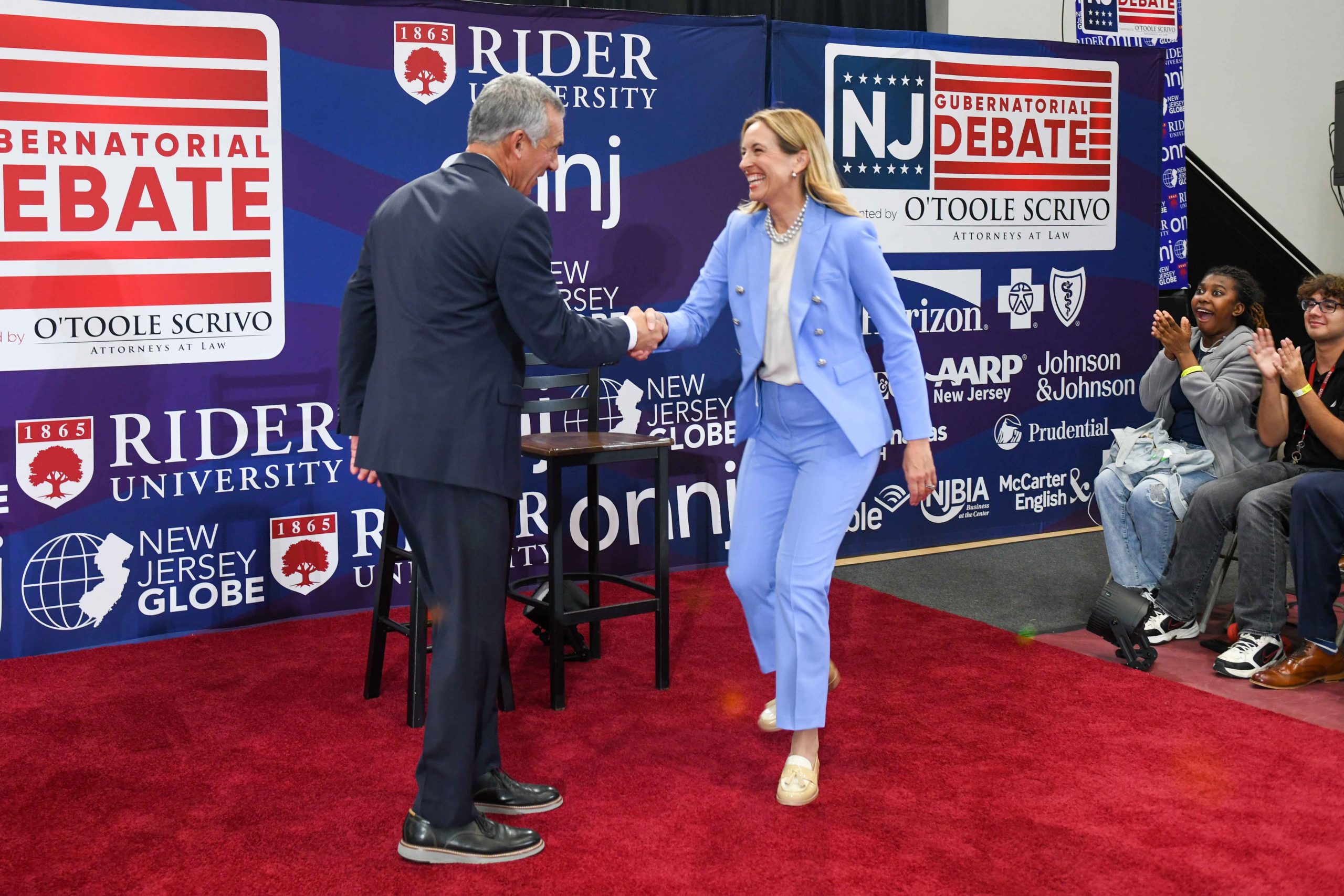
Our law firm, O’Toole Scrivo, recently put our money where our mouth is, and we were honored to serve as the chief sponsor at this Sunday’s gubernatorial debate, which was the largest gubernatorial debate in our state’s long history.
Over 1,600 people attended, and over 100 media outlets reported on or covered this historic event. This was the largest single debate in New Jersey history. And in accordance with the wishes of the delegates to the 1947 Constitutional Convention, the questions reflected state issues and there was no attempt to nationalize the race.
As a former state office holder, I have participated in many debates and can attest to the value of these conversations.
This year, we have two qualified and experienced candidates running for governor, and the two bring two different perspectives and two different opinions, and it is incumbent upon us to hear out these views and make an informed choice on Election Day.
This debate came at a critical time as we witness our nation get rocked by violence against Republican and Democratic candidates, and it is sad and tragic that we are party to such horrible acts.
I’m sure many will agree with me that things have to change.
It is with this backdrop that we need to encourage civilized debate among our leaders and allow these differences to be addressed and shared, without fear of violence or intimidation.
Tom Scrivo and I made a conscious decision to sponsor this debate and hope that we can encourage our democracy to operate as it was envisioned and drafted by the framers of our Constitution.
For those unaware of what it takes to pull together a debate at this level, let me give you a peek behind the curtain.
A four-member Election Commission ( ELEC) studied a number of proposals, and they unanimously elected the New Jersey Globe to sponsor the first of two gubernatorial debates. (+help needed).
It is a credit to the Globe and a great credit to the person behind the scenes, David Wildstein, who orchestrated and directed this public service wonder. His vision of a town hall-style debate with questions coming from real people (including a 96-year-old woman whose late husband served in the Senate with me 24 years ago, and a 12-year-old seventh grader concerned about integrity of elected officials) was exactly what voters want to see.
The painstaking detail and planning by Rider University (Micah Rasmussen), On New Jersey, and the other partners (help needed +), this civic project should be commented on and appreciated.
The sheer magnitude of security concerns that the amazing New Jersey State Police and their leader, Lieutenant Colonel Patrick Callahan, must be acknowledged and honored.
The extraordinary execution by the Rider University administration and student body must be commended.
The lead-up to the actual debate is literally weeks of work that is unseen and unheard by members of the public. But rest assured, had this team not done the hard preparation and planning, the professional and nearly flawless debate that we witnessed would never have seen the light of day.
And this is a credit to all those who played some role in this Democratic exercise.
As we review the aftermath and results of this debate, it becomes crystal clear that we need more forums like this, not fewer.
We need more of us to play a role in encouraging respectful dialogue and understanding, not less.
We should lower our voices and allow others to speak, and hope we outgrow the episodic reality of today of disdain, ignorance, and hatred.
We should be encouraged that our system allows people to express themselves without retribution, and these debates are the political might needed to help us preserve the integrity and dignity of the American way of life.
