


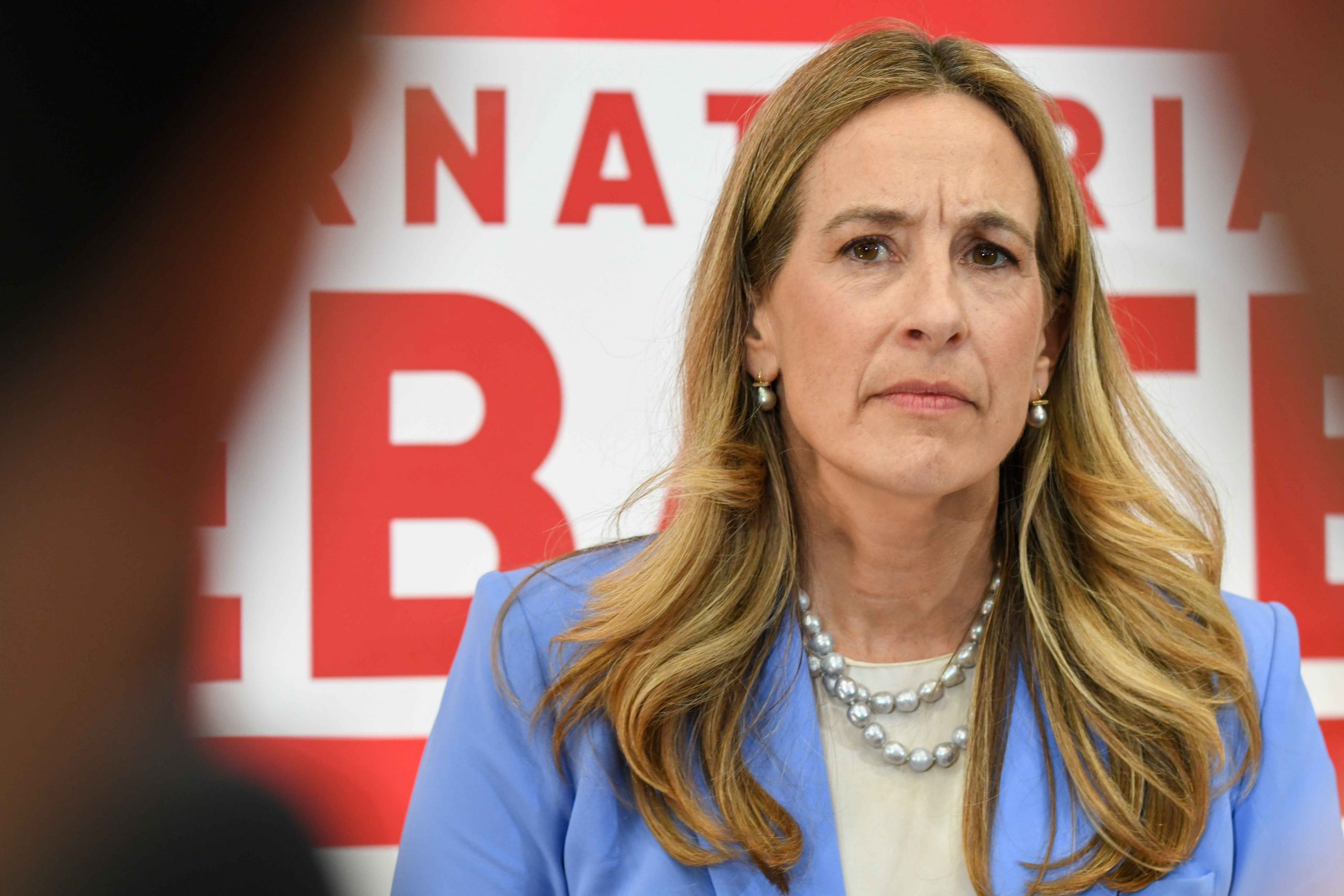
Gov.-elect Mikie Sherrill will resign from the U.S. House of Representatives at 11:59 p.m. this Thursday, November 20, she announced today in her letter of resignation.
Outgoing Gov. Phil Murphy plans to issue a writ of special election for Sherrill’s 11th congressional district seat as soon as possible, but he cannot do so until the resignation takes effect. The writ is likely to come sometime on the morning of Friday, November 21.
That will put the range of possible special Democratic primaries between January 30 and February 5, and the range of general elections between April 4 and April 16. If Murphy were to choose to hold the primary election on a Tuesday to reduce voter confusion, it would arrive on Tuesday, February 3.
“It has been an honor to serve the residents of the 11th congressional district since 2019,” Sherrill wrote in her resignation letter. “Public service is a public trust. I look forward to continuing to serve the residents of the 11th district and all New Jerseyans as governor next year.”
Eleven Democrats and one Republican are already in the race for Sherrill’s seat, and the campaign will proceed extremely quickly once Sherrill officially departs. In order to make a rapid special election schedule possible, Murphy will have to set a very short window for candidates to collect petition signatures and file to run.
In the 2024 special election to succeed the late Rep. Donald Payne Jr. (D-Newark), the filing deadline arrived just seven days after Murphy ordered the special election. (An equivalent schedule this year would put the deadline on the day after Thanksgiving.)
One of the Democrats running for the district is the state’s top elections official: Lieutenant Gov. and Secretary of State Tahesha Way. Way will recuse herself from all matters concerning the special election, the New Jersey Globe has confirmed.
Sherrill secured a landslide victory over Republican Jack Ciattarelli in this month’s gubernatorial election, but she won’t take office as governor until January 20. If she had remained in the House until then, it would have meant that her successor couldn’t be elected until June at the earliest, and may have caused logistical problems by overlapping with the regularly scheduled June primaries.
Instead, the congresswoman announced last week that she would resign early, allowing the special election process to begin much sooner. She did, however, remain in the House long enough to vote against a government funding bill and keep her signature on a discharge petition to release the Epstein files; she also delivered her final House speech last week, calling on her colleagues to “not let this body become a ceremonial red stamp” for the Trump administration.
