


Discover New Jersey Landmarks and Museums: Your go‑to guide for historic sites and cultural hotspots
New Jersey’s landmarks and museums weave together American history, invention, and seaside character — perfect for day-trippers, families, and curious locals. This guide shows what to see, why it matters, and how to turn scattered stops into thoughtful, family-friendly outings that balance hands‑on learning with easy logistics. You’ll find curated must-sees, museum picks by type (art, science, history), practical itineraries, accessibility and visitor tips, and tools for interactive mapping and event planning. Many travelers struggle to connect individual attractions into a cohesive day or to find up‑to‑date accessibility and schedule information; this guide fixes that with themed routes, ready-to-use checklists, and community-sourced resources. We start with regional highlights of New Jersey’s big historical sites, then move into museum recommendations, trip planning, deeper historical context tied to key figures, accessibility advice, and interactive tools to enrich your visit. Along the way we fold in practical search terms like historical day trips, New Jersey landmarks, Revolutionary War sites NJ, and best museums in New Jersey to help you explore with confidence.
What are New Jersey’s most notable historical sites and landmarks?
New Jersey’s top landmarks range from military and industrial sites to coastal neighborhoods that shaped the region’s story. These places preserve battlefields, inventor labs, maritime artifacts, and architectural districts where you can trace technology, politics, and everyday life across generations. Knowing what each landmark highlights — Revolutionary War strategy, factory history, lighthouse views, or seaside Victorians — helps you build a trip that feels like a story instead of a string of stops. Below we begin with Revolutionary War locations, then highlight cultural landmarks that showcase New Jersey’s varied heritage.
Which Revolutionary War sites are worth visiting in New Jersey?
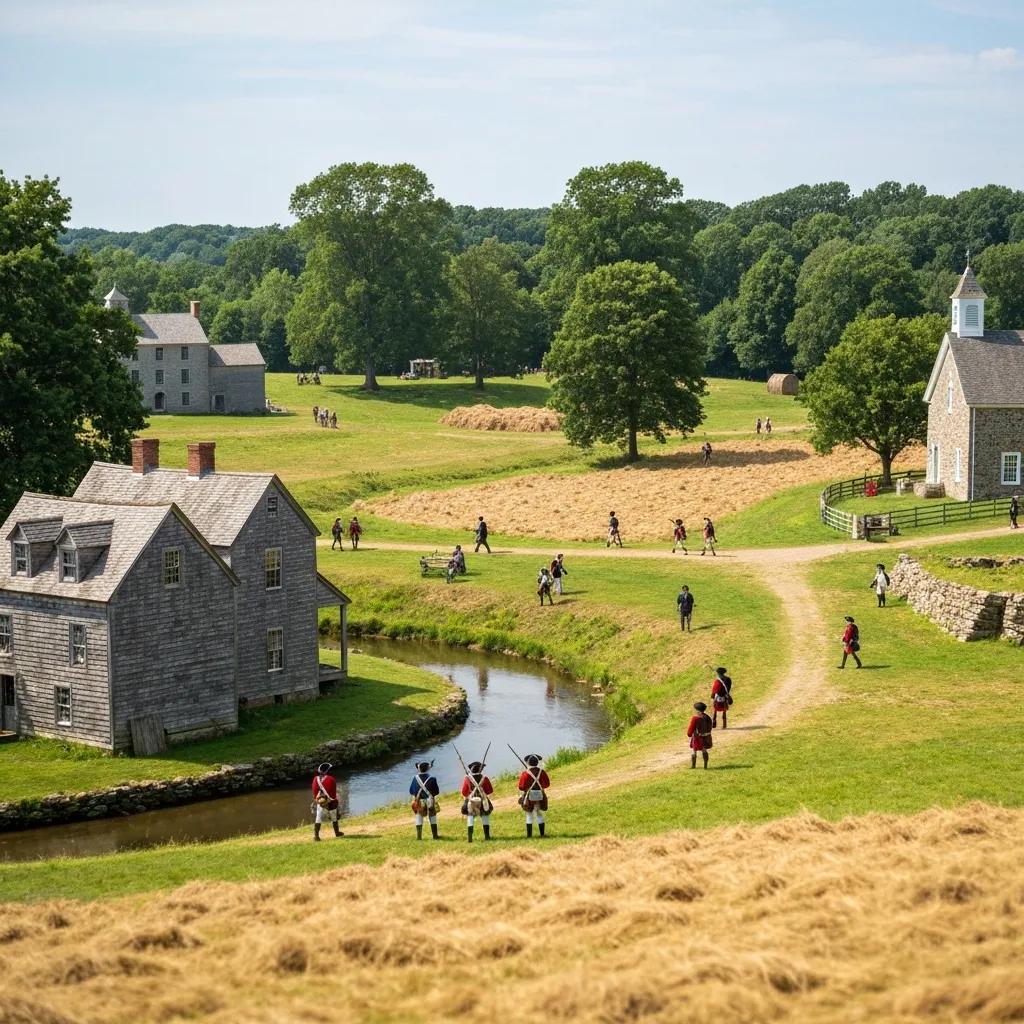
New Jersey’s Revolutionary War sites spotlight key campaigns, winter encampments, and strategic river crossings that shaped the outcome of the war. Places tied to leaders like George Washington include encampments, battlefields, and ferry crossings with trails, small museums, and guided programs that explain troop movements and civilian life. Visiting these sites gives you tangible links to the past — preserved earthworks, historic homes, and clear interpretive displays that show why New Jersey was hotly contested. For a fuller day, pair an outdoor battlefield visit with a nearby museum or town center to balance fresh-air interpretation with artifacts and context.
- Top Revolutionary War sites offer layered learning: battlefield interpretation, historic houses, and living‑history programming.
- Many locations have short walking trails and visitor centers that work well for families and school groups.
- Combine two close sites into a half‑day loop to deepen context while keeping travel time low.
Morristown National Historical Park
Address: 30 Washington Pl, Morristown, NJ 07960
Special Features: This park preserves the sites of the Continental Army’s winter encampments during the Revolutionary War. Visitors can explore George Washington’s Headquarters at the Ford Mansion, the Jockey Hollow encampment area with reconstructed soldiers’ huts, and a museum with artifacts. Extensive walking trails offer a glimpse into the challenging conditions faced by the troops.
Monmouth Battlefield State Park
Address: 16 Business Rte 33, Manalapan Township, NJ 07726
Special Features: The site of one of the largest battles of the Revolutionary War, this park features a visitor center with exhibits, walking and equestrian trails across the historic battlefield, and hosts annual reenactments that bring the past to life. It offers a vivid understanding of military strategy and the human cost of the conflict.
Washington Crossing State Park
Address: 355 Washington Crossing-Pennington Rd, Titusville, NJ 08560
Special Features: Commemorating George Washington’s famous crossing of the Delaware River, this park includes a historic village, the Johnson Ferry House, and the Bowman’s Hill Tower offering panoramic views. It provides insight into the pivotal moment that turned the tide of the Revolutionary War.
These Revolutionary War stops lead smoothly into New Jersey’s other cultural landmarks, which reveal different facets of the state’s story.
Which iconic landmarks capture New Jersey’s cultural heritage?
Iconic New Jersey landmarks include coastal historic districts, preserved lighthouses, industrial ruins, memorial ships, and towns with distinctive architecture. Popular photo subjects range from seaside Victorian streets to weathered warship hulls to brick-and-iron mill buildings that now house museums. Each landmark type invites a different perspective: architecture tours for historic districts, maritime exhibits for ships and lighthouses, and industrial archaeology for mills and canals. For richer storytelling, pair an industrial site with a living‑history village or maritime museum to contrast production, labor, and leisure across the state’s development.
- Iconic landmarks are both photogenic and educational — great anchors for themed itineraries.
- Architectural and maritime sites reveal economic and cultural shifts in New Jersey’s history.
- Plan for seasonal hours and outdoor walking when you mix landmark visits with indoor exhibits.
Address: 200 Morris Pesin Dr, Jersey City, NJ 07305
Special Features: Offering breathtaking views of the Manhattan skyline, the Statue of Liberty, and Ellis Island, this park is a gateway to American history. It features the poignant Empty Sky 9/11 Memorial and provides ferry access to the Statue of Liberty and Ellis Island National Museum of Immigration. Its expansive green spaces are perfect for walking and reflection.
Cape May Historic District
Address: Centered around Washington Street Mall, Cape May, NJ 08204
Special Features: Recognized as a National Historic Landmark, Cape May boasts an unparalleled collection of Victorian architecture. Visitors can enjoy horse-drawn carriage tours, explore charming boutiques, relax on pristine beaches, and climb the historic Cape May Lighthouse for panoramic ocean views.
Thomas Edison National Historical Park
Address: 211 Main St, West Orange, NJ 07052
Special Features: This park preserves Thomas Edison’s laboratory and residence, Glenmont. It offers a fascinating look into the birthplace of many of his most famous inventions, including the phonograph, motion picture camera, and improved light bulb. Exhibits showcase his workshop, library, and the processes of innovation.
Which museums in New Jersey are best for art, science, and history?

New Jersey’s museums span focused collections and interactive experiences across art, science, and history, making them ideal for themed outings or family days. Art museums show regional and national work and rotating exhibits; science centers offer hands‑on displays and planetarium or large-format theaters; history museums use artifacts and living‑history programs to tell local stories. Choosing the right museum comes down to whether you want interactive play, family programming, or deep archives — the table below compares key features to make that choice easier.
| Museum Type | Highlights | Family-Friendliness | Accessibility Notes |
|---|---|---|---|
| Art Museums | Curated shows, regional artists, photo-friendly displays | Quieter galleries with occasional family programs | Varies by site; many offer ramps and step‑free routes |
| Science Centers | Hands‑on exhibits, IMAX/planetarium theaters, live demos | Very family‑friendly; interactive zones for kids and teens | Generally strong accessibility services and sensory‑friendly sessions |
| History Museums | Artifacts, period rooms, living‑history events | Moderate to high; outdoor sites are often child‑friendly | Historic buildings can limit access; visitor centers often provide accommodations |
This snapshot clarifies trade‑offs so you can pick museums that match interests and mobility needs. Next we spotlight top art museums and how science centers engage visitors.
What are the top art museums to visit in New Jersey?
The state’s top art museums display regional and national collections, rotating exhibitions, and photography-worthy installations that draw casual visitors and collectors alike. These museums often highlight local artists and themed shows that connect to wider cultural conversations, plus docent tours and occasional family art days for hands‑on creativity. Photography rules vary; early-morning or late-afternoon visits typically offer softer light in atriums and fewer crowds for shooting. Pair an art museum with nearby historic streets or a café for a fuller neighborhood experience.
- Art museums blend curated exhibitions with community programming for diverse audiences.
- Check photography policies (flash/tripod limits) before you go to plan shoots.
- Combine museum visits with nearby cultural spots and dining to extend the day.
Address: 49 Washington St, Newark, NJ 07102
Special Features: New Jersey’s largest museum, it boasts extensive collections of American art, global art (including a renowned Tibetan collection), and natural science exhibits. It also features a planetarium, a sculpture garden, and a historic 1885 mansion, offering a diverse cultural experience for all ages.
Princeton University Art Museum
Address: Elm Dr, Princeton, NJ 08544 (Note: Currently undergoing a major renovation; check their website for temporary locations and reopening details)
Special Features: Even during renovation, its collection is world-class, spanning ancient to contemporary art from diverse cultures. Known for its European, Asian, African, and American art, it offers free admission and is a significant cultural hub within the historic Princeton University campus.
How do science museums like Liberty Science Center engage visitors?
Science centers turn complex ideas into playful, hands‑on learning through interactive exhibits, live demos, and immersive theaters. They emphasize inquiry: visitors touch displays, join workshops, and catch scheduled shows that make STEM ideas tangible. Family-friendly features include discovery zones, rotating special exhibits, and timed entry for popular attractions — helpful for crowd control and maximizing hands‑on time. Planning around showtimes and quieter weekday hours usually improves the experience for families who want fewer lines and more learning.
- Interactive exhibits spark curiosity and sustained learning via tactile exploration and guided programming.
- Scheduled demonstrations serve as visit anchors; check times and plan around them.
- Weekday visits and advance tickets reduce waits and help secure access to high‑interest features.
Address: 222 Jersey City Blvd, Jersey City, NJ 07305
Special Features: A premier science learning center, LSC features hundreds of interactive exhibits, the largest IMAX Dome Theater in the US, and live animal displays. Popular exhibits include the “Touch Tunnel,” a massive “Skyscraper!” exhibit, and various rotating special exhibitions that make science accessible and exciting for all ages.
Address: 1 Riverside Dr, Camden, NJ 08103
Special Features: Home to over 15,000 aquatic animals, including the largest collection of sharks in the Northeast, hippos, and penguins. It offers immersive experiences like the Shark Realm, touch tanks, and a 3D theater, making marine science engaging and fun for families.
How do you plan historical day trips and family-friendly tours in New Jersey?
Good day-trip planning groups nearby sites, balances indoor and outdoor time, and leaves room for hands‑on learning and breaks. Smart itineraries factor in travel time, parking or public transit, restroom and snack options for families, and weather for outdoor stops. Below are practical steps and sample regional routes to help families and history fans build full, rewarding days without feeling rushed.
- Choose a theme: Focus on Revolutionary War sites, industrial heritage, or seaside architecture to shape your day.
- Cluster geographically: Pick two to three nearby stops to cut transit time between attractions.
- Check programming and hours: Confirm exhibit schedules and living‑history demos before you leave.
- Pack for comfort: Bring water, snacks, layers, and kid-friendly distractions for waits.
- Build flexibility: Allow buffers for long tours, events, or unexpected discoveries.
These steps segue into sample itineraries for Central, North, and South Jersey that use geographic clustering and family‑friendly pacing.
| Route/Itinerary | Stops (entities) | Approx. Time / Key Tips |
|---|---|---|
| Central Jersey History Loop | Historic village + nearby museum + battlefield | 6–8 hours; start early and pack a picnic lunch |
| North Jersey Revolutionary Day | National historical park + battlefield + local museum | 5–7 hours; mix outdoor trails with indoor exhibits |
| South Jersey Coastal & Living History | Coastal historic district + living‑history village + lighthouse | 6–9 hours; expect seasonal hours and walking paths |
Use this itinerary framework as a starting point and adapt timing to family needs and transit choices. For printable maps and planning tools, check community map hubs and local guides that compile routes and event calendars.
NJspots curates community maps, printable guides, and suggested day‑trip routes to make planning easier. Those resources help you match museum schedules and seasonal events to your dates and point out local tips and photo spots. Once you pick an itinerary, the next section highlights historic villages and living‑history museums that boost immersion for visitors of all ages.
What are the best family-friendly historical day trips in Central, North, and South Jersey?
Family-friendly trips focus on active learning, outdoor play, and short walks so kids stay engaged while adults take in the stories. Central Jersey loops typically combine living‑history villages with nearby museums and picnic spots where children can run. North Jersey plans center on Revolutionary War parks with short trails and visitor centers offering hands‑on exhibits and ranger programs. South Jersey mixes coastal historic districts and living‑history villages where seasonal demos and maritime themes add variety. Factor in guided tours and snack breaks when estimating time per stop.
- Central routes pair outdoor village experiences with indoor museums for weather flexibility.
- North trips often blend battlefield walks with museum exhibits to reinforce context.
- South itineraries combine seaside strolls and lighthouse visits with living‑history demonstrations.
Which historic villages and living‑history museums offer immersive experiences?
Historic villages and living‑history museums recreate daily life with demonstrations, crafts, and reenactments that deepen understanding of past livelihoods. Sites with blacksmithing, textile demonstrations, or historic farming offer tactile learning that appeals to both kids and adults, often concentrating special events in warmer months. Before you visit, check seasonal calendars for reenactments and hands‑on workshops that may need advance registration or timed entry. Pair a village visit with a related museum or coastal site to extend the story across settings.
- Living‑history sites emphasize sensory learning through demos and participatory crafts.
- Many programs run mainly in spring and summer — verify schedules ahead of time.
- Combine village visits with nearby museums or historic districts for layered learning and dining options.
Historic Cold Spring Village
Address: 720 US-9, Cape May, NJ 08204
Special Features: An open-air living history museum that transports visitors to a rural South Jersey community of the 1800s. It features 27 historic buildings, costumed interpreters demonstrating traditional crafts like blacksmithing and weaving, and farm animals, offering an immersive educational experience.
Address: 525 Waterloo Rd, Stanhope, NJ 07874
Special Features: A restored 19th-century canal town and a Lenape Indian Village, Waterloo offers a glimpse into different eras of New Jersey’s past. Visitors can explore historic homes, a gristmill, a blacksmith shop, and enjoy seasonal events and reenactments that bring the village to life.
What stories and historical context do New Jersey landmarks reveal?
New Jersey’s landmarks tell stories of invention, military endurance, and coastal community life that connect local places to national narratives. Exploring these sites shows how people, technologies, and events shaped broader trends — from early industry to wartime strategy to modern innovation. Below are short case studies linking landmarks to influential figures and events, starting with Thomas Edison and then looking at Morristown as a key Revolutionary War hub.
How did Thomas Edison’s work shape New Jersey’s innovation landmarks?
Thomas Edison turned parts of New Jersey into centers of invention — labs and homes that now interpret his experiments and processes. Edison sites display early electrical experiments, workshop tools, and exhibits tracing the path from prototype to patent. Visiting these places reveals how invention actually happened: workbenches, experimental gear, and stories that show iterative problem‑solving and regional economic impact. Pairing Edison sites with nearby industrial museums highlights the link between invention and manufacturing.
- Edison sites illuminate invention through preserved labs and clear interpretation.
- Hands‑on displays and demos help non‑specialists grasp technical breakthroughs.
- Combine invention sites with industrial museums to connect ideas to production.
What role did Morristown National Historical Park play in the Revolutionary War?
Morristown served as a critical winter encampment and logistics base where Continental forces regrouped and retained command cohesion during pivotal moments. The park preserves encampment landscapes, historic buildings, and exhibits that explain troop movements, supply struggles, and civilian‑military interactions during harsh winters. Walk the trails and see structures that once housed headquarters, hospitals, and officers’ quarters to understand everyday encampment life and strategic decision‑making. Pair Morristown with nearby battlefields and museums to see how geography shaped campaign outcomes.
- Morristown’s preserved sites show how winter encampments helped the Continental Army survive and regroup.
- Interpretive materials connect locations to letters, orders, and recorded events.
- Nearby museums often add artifacts and archival context to outdoor interpretation.
What accessibility and visitor information should you check before visiting?
Good planning includes accessibility and practical details: which sites have ramps, audio tours, discount days, and family facilities like restrooms and stroller routes. Prioritizing accessibility helps visitors with mobility, sensory, or cognitive needs find suitable sites and pick times when accommodations are available. The table below summarizes common accessibility features across major site types so you can select destinations with confidence and reduce surprises on arrival.
| Site / Museum Type | Accessibility Feature | Notes / Details |
|---|---|---|
| Large science centers | Ramps, elevators, sensory‑friendly sessions | Often offer assistive listening and wheelchair loans |
| Art museums | Wheelchair routes, accessible restrooms | Some galleries in historic buildings have limited step‑free access |
| Historic villages | ADA‑accessible visitor centers, limited building access | Outdoor paths can be uneven; ask about virtual or audio alternatives |
| Battleship/Maritime sites | Sloped ramps, elevators on select decks | Ship access may be restricted; tiered access options are often provided |
Use this summary to anticipate needs and contact sites ahead of time about specific accommodations. The next sections outline free or discounted admission programs and timing tips to help you plan smarter visits.
NJspots compiles accessibility‑focused resources and lists that point out ramps, audio tours, and sensory‑friendly sessions at regional sites. These community‑curated checklists and calendars are particularly useful for groups with mixed mobility needs, helping you align visits with available accommodations.
Which museums and sites offer free or discounted admission?
Many museums and historic sites offer free‑admission days, student or senior discounts, and community access programs to lower barriers for families and learners. These options often appear on specific days, during festivals, or through reciprocal museum networks and partnerships. To make the most of these offers, check an institution’s event calendar, look for family pass programs at libraries or local organizations, and plan visits around scheduled free days. Confirm policies before you travel to avoid disappointment and ensure access to exhibits or demos you want to see.
- Free admission often shows up as monthly community days or seasonal festivals.
- Student, senior, and military discounts are common — bring ID to confirm eligibility.
- Visiting on discount days can increase access to special exhibits and family programs.
When are the best times to visit and what accessibility features should you verify?
Timing your visit to avoid crowds, catch seasonal programs, and ensure staff availability for accommodations improves the overall experience. Early weekday mornings and late afternoons usually mean smaller crowds at museums and historic sites, while living‑history demos and reenactments tend to cluster on weekends and holidays. Verify accessibility features like step‑free routes, audio descriptions, quiet or sensory‑friendly hours, accessible parking, and on‑site assistance ahead of time. Contacting a site to request accommodations or reserve special program spots ensures a smoother, more accessible visit.
- Weekday and off‑season visits reduce crowds and improve access to guided experiences.
- Confirm accessible parking and step‑free routes at historic buildings with known limitations.
- Request audio tours or sensory accommodations in advance so staff can prepare.
How can interactive maps and event listings improve your visits?
Interactive maps and event listings make planning visual and flexible: you can cluster stops, time visits for talks or reenactments, and locate parking and dining. Digital mapping tools let you save routes and download printable itineraries for offline use — handy where mobile signal is weak. Event calendars help you target moments of peak interpretation, like living‑history demonstrations or exhibit openings, so you get the most out of each stop. Below are tips on where to find maps and virtual tours and how to use them in the field.
- Interactive maps help group multiple sites into coherent day routes and show transit and parking details.
- Virtual tours and 360° exhibits let you preview spaces and highlight must‑see objects.
- Bring printed map copies as backups for offline navigation and to share routes with companions.
NJspots hosts community maps and event listings that aggregate exhibits, reenactments, and suggested photo spots for New Jersey landmarks. Use those tools to subscribe to updates, share photos, and contribute tips that improve itineraries and accessibility info for other visitors. Community contributions help others discover seasonal programming and pop‑up exhibits.
Where can you find interactive maps and virtual tours of New Jersey historic sites?
You’ll find interactive maps and virtual tours from a range of providers; some highlight parking and restrooms while others focus on interpretive stops and photo points. When using maps on mobile, download offline tiles if available, save routes ahead of time, and watch data usage for embedded media like 360° tours. Virtual tours are particularly useful for accessibility planning because they preview step‑free routes and indoor layouts before you arrive.
- Prioritize maps that show transit and parking details to simplify logistics.
- Save or download routes for offline use in areas with spotty coverage.
- Use virtual tours to assess accessibility and navigation before you visit.
Which upcoming exhibits and reenactments should you watch for?
Major exhibits and reenactments rotate seasonally and often coincide with anniversaries, local festivals, or curated programs that connect artifacts to vivid stories. To find current listings, monitor museum calendars and local cultural event pages for exhibit openings, guest talks, and living‑history weekends. For popular events, reserve tickets early and arrive in time for guided talks or demonstrations that add depth to displays. Pair event attendance with nearby landmarks to turn a single visit into a full thematic day.
- High‑profile exhibits and reenactments often require advance booking — plan early for busy dates.
- Guided talks and curator tours add context and deeper insight into displays.
- Pair events with nearby attractions to build a full, educational day out.
NJspots encourages you to explore its interactive maps and event listings to discover upcoming exhibits and reenactments, subscribe for updates, and share photos or trip tips with the community. Your contributions help improve shared routes and accessibility information for everyone.
Frequently Asked Questions
What are some lesser-known historical sites in New Jersey worth visiting?
Beyond the well-known Revolutionary War locations, New Jersey has quieter historical gems worth exploring. Red Bank Battlefield Park offers Revolutionary War context plus scenic views of the Delaware River. The Thomas Edison National Historical Park in West Orange preserves Edison’s lab and home for a hands‑on look at invention. Batsto Village in Wharton State Forest preserves a 19th‑century ironworks community — a peaceful spot for history fans seeking a slower pace.
How can I find guided tours of New Jersey landmarks?
Guided tours are listed on local tourism sites, historical society pages, and individual museum calendars. Sites like Morristown National Historical Park run ranger‑led programs that dive into local stories. Private tour operators also run themed walks and drives. Checking official landmark websites or local visitor centers gives you the most current schedules and reservation details.
Are there special events or festivals related to New Jersey history?
Yes — New Jersey hosts many history‑focused events year‑round. Examples include Revolutionary War reenactments at Monmouth Battlefield State Park and Thomas Edison Day at his West Orange site. Local museums and historic sites also run seasonal festivals, workshops, and living‑history weekends. Keep an eye on museum event calendars and community listings to catch these programs.
What resources can help plan a historical trip in New Jersey?
Sites like NJspots offer community‑curated maps, itineraries, and event listings tailored to historical exploration. The New Jersey Division of Travel and Tourism provides brochures and themed route guides. Local historical societies also publish focused recommendations and lesser‑known site listings. Combining these resources helps you build a balanced, well‑informed itinerary.
How can I make sure my visit to New Jersey landmarks is accessible?
Check each site’s accessibility page before you go — most museums list wheelchair access, sensory‑friendly hours, and assistive services online. Calling ahead clarifies specific accommodations, and visiting during less crowded times can make the experience more comfortable. Community resources and NJspots’ compiled lists also point out ramps, audio tours, and sensory‑friendly programming.
When is the best time of year to visit New Jersey’s historical sites?
Spring and fall are prime seasons: mild weather and scenic blooms or fall foliage make outdoor sites especially pleasant. Many sites also schedule special events during these seasons. Summer is lively for family programming and extended hours at science centers and living‑history museums, though it can be busier and hotter for outdoor walking.
New Jersey’s landmarks and museums offer layers of history, culture, and hands‑on learning for every kind of visitor. With a little planning — themed routes, checked accessibility details, and mapped logistics — you can build meaningful, manageable trips that match your interests. Use our curated resources and planning tools to shape your next outing, and discover the stories waiting across the Garden State.
