


There is a lie we tell ourselves somewhere between the first regret and the last good chance. Living that lie or addressing the truth is where the proverbial rubber meets the road. Let’s get to work.
Life is a ledger. Every mistake stays inked in red. The things we didn’t do, the moment we missed, and the versions of ourselves that didn’t pan out will remain in our memories and mental space forever, and that is sometimes very difficult to live with.
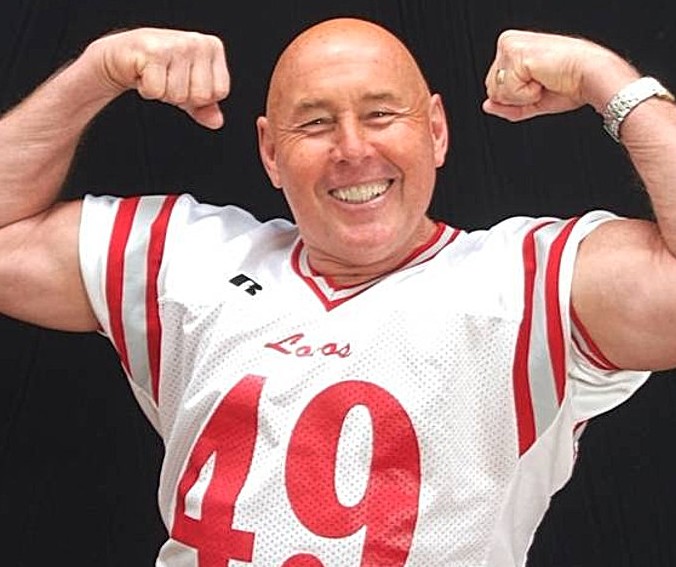
I recently saw the movie, The Senior, a true story about a 59-year-old, Michael Flynt, who decided to go back to college to right some wrongs. He wanted to finish the last remaining twelve credits to graduate from Sul Ross State University. In doing so, he also decided to try out and rejoin the football team—the very same team he was formerly captain of prior to being expelled decades earlier. At the time of his initial college expulsion, Mike was an emotionally confused individual who channeled that confusion into fighting. Instead of turning away from an insult or a slight, he chose to physically confront the perceived attack with his fists and fury and would only find regret later. We soon learn that the rough, brutal, and cruel upbringing created by Michael’s father plays a central role in this story. I digress.
If given the chance, wouldn’t many of us want to go back in time to address some outstanding regret or confront some nagging annoyance of yesteryear? While we ponder that one let’s talk about the lessons discussed in this movie.
The movie really isn’t about football—it is about time. It is about a person who steps back onto the field long after the world decided his playing days were behind him. Mike Flynt went out for the football team not because he had something to prove, but because he had something to give to those who were in a position to make the same mistakes he did.
The problem is we live in an era obsessed with revision—rewriting our lives through faulty memories, filtered and altered bios, edited versions of our lives. But even with that, we live day-to-day with regret and that regret feels heavier as we get older. At some point, we replay each wrong move and misplayed opportunity. This doesn’t make life any easier.
Real life doesn’t rely upon replays or slow-motion versions of half-truths. It moves forward in real time. What I have come to recognize is that life doesn’t define us with the chapter in our lives that we wish we had written better; it defines us by the ones we chose not to abandon. In his rousing halftime speech to his teammates, Mike reminded the team of something that we should strive to remember. He said, “We aren’t defined by our successes, we are defined by our regrets.”
We aren’t the promotions we never received, nor the graduates of the schools we never applied to, nor the partners of individuals we never took the risk with. We are simply the sum of the decisions we did make. In the end, we all should live our lives without regret and if you wish you could go back in time to address a wrong, I suggest you learn to live with what you’ve chosen rather than letting it haunt you any longer.
