

The basics:
- Merck will pay up to $2.13B for global rights to SPR2015
- SciBrunch will receive $400M upfront, up to $1.73B in milestones
- SPR2015 targets cancer-driving KRAS G12D mutation
- Experimental drug remains in preclinical development
Rahway-based pharmaceutical giant Merck agreed to pay up to $2.13 billion under a global licensing deal with Chinese biotech SciBrunch Therapeutics for rights to develop, manufacture and sell an experimental cancer treatment.
Under the terms of the transaction, Merck gains access to an oral drug candidate that targets a common cancer-driving mutation found in pancreatic, colorectal and lung cancers.
As part of the agreement, SciBrunch will receive an upfront payment of $400 million. It is also eligible for up to $1.73 billion in potential milestone payments, the companies said. Merck noted the deal closed in a Sept. 28 news release.
Known as SPR2015, the therapy is in preclinical development and has not yet entered human testing. According to the companies, data presented earlier this year showed the drug reduced tumor growth in laboratory as well as animal models of KRAS G12D-mutant cancers.
Headquartered in Shanghai, SciBrunch is a two-year-old clinical stage biotech focused on small molecule oncology therapeutics. So far, the firm has already raised $65 million to develop a cancer drug designed to make it harder for cancer cells to repair themselves and survive.
‘Transformative treatment options’
SciBrunch founder, Chairman and CEO Tao Hu commented, “This agreement with Merck not only validates the R&D strength of our platform but also underscores the potential of SPR2015 in addressing longstanding unmet medical needs in oncology. We are excited that Merck, a global leader in oncology, will take SPR2015 forward.”
Hu added, “Since our founding, SciBrunch has remained focused on advancing innovative therapies targeting the RAS pathway and is committed to delivering transformative treatment options for patients with pancreatic, colorectal, lung, and other major malignant tumors.”
George Addona, senior vice president, Discovery, Preclinical Development and Translational Medicine at Merck, shared, “Evidence continues to accumulate for the therapeutic potential of targeting the KRAS pathway, a well-characterized factor in tumor cell growth.”
“This agreement complements and diversifies our expanding pipeline of precision targeted candidates with SPR2015, a potent engineered inhibitor for one of the most prevalent mutant forms of KRAS found in human cancers,” he explained.
On the horizon
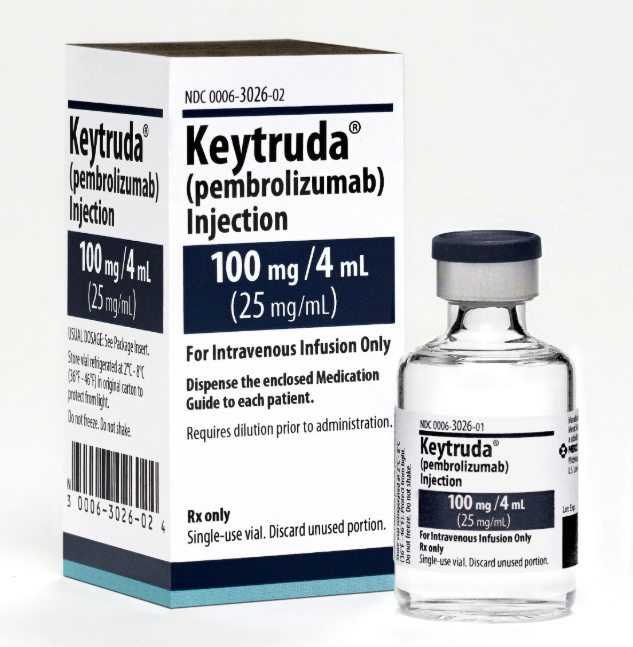
The deal comes as Merck continues efforts to diversify ahead of patent losses in 2028 for its blockbuster cancer drug Keytruda and top-selling vaccine Gardasil.
Since 2021, Merck has nearly tripled its late-stage pipeline through in-house development and several major acquisitions. Recent FDA approvals include:
- A once-daily pill designed to lower artery-clogging cholesterol
- A once-daily pill for HIV infections
Merck is also working on an experimental vaccine with Moderna. The treatment that has shown signs of preventing cancer from returning or spreading in a study of high-risk melanoma patients.
Some of Merck’s latest multibillion-dollar buys include:
- Cidara Therapeutics and its experimental flu drug for $9.2 billion
- Respiratory drugmaker Verona Pharma for $10 billion
- Terns Pharmaceuticals and its experimental chronic myeloid leukemia therapy for $6.7 billion
The post Merck inks $2.13B deal for experimental cancer drug appeared first on NJBIZ.
