

The basics:
- Federal judge in NJ denies Novo’s bid to halt Eli Lilly’s ads
- Novo alleges Lilly misleads consumers about drug effectiveness
- Ruling leaves false advertising claims unresolved
- Novo, Eli Lilly compete in GLP-1 weight-loss, diabetes drug market
A federal judge in New Jersey denied Novo’s request to block Eli Lilly from running advertisements comparing the companies’ competing weight-loss and diabetes drugs.
U.S. District Judge Zahid Quraishi rejected Novo’s request for a preliminary injunction. According to an Oct. 26 written opinion, Quraishi believes the drugmaker did not demonstrate that Lilly’s ads caused irreparable harm.
Novo sued Lilly in July. It claims the drugmaker used misleading advertising to suggest its weight loss and diabetes medicines perform better.
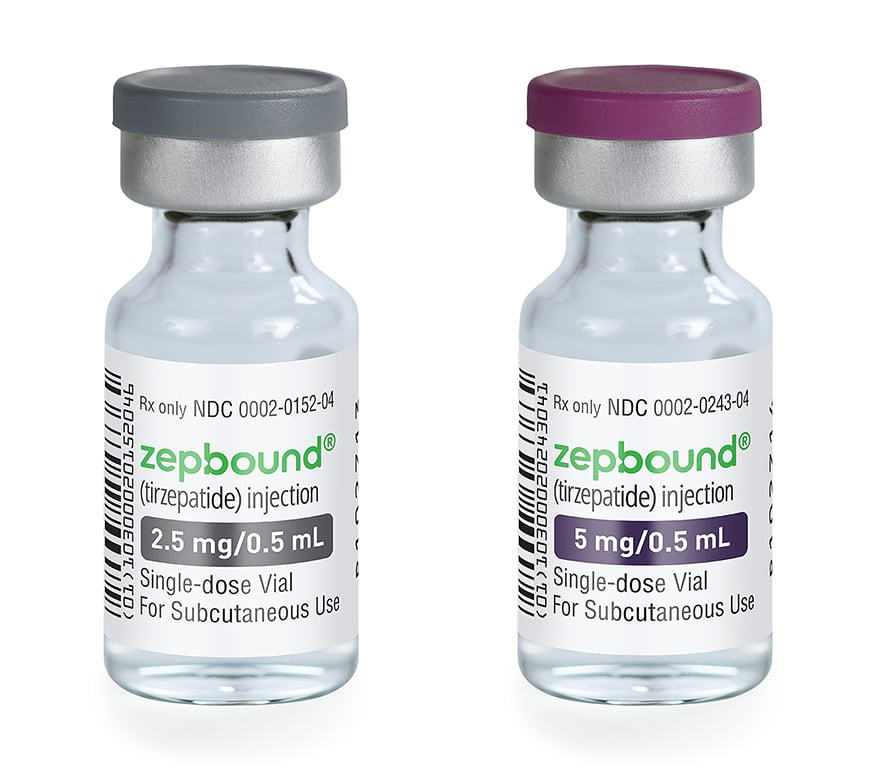
In its complaint, the Danish pharmaceutical giant accused Lilly of violating federal and state false advertising and unfair competition laws through nationwide campaigns for obesity drug Zepbound as well as diabetes treatment Mounjaro. The lawsuit says Lilly created an unfair impression by comparing the highest approved doses of its drugs to lower doses of Novo’s weight loss drug Wegovy and diabetes therapy Ozempic.
Novo believes Eli Lilly’s television and social media campaigns are harmful because consumers often rely on advertising to form their understanding of GLP-1 drugs. The company said the advertisements in question cite “outdated” clinical trials that do not include new evidence about recently updated injectable versions of its drugs.
Novo has its U.S. headquarters in Plainsboro. It said the legal action followed Lilly’s “refusal to pull down or meaningfully correct certain ads, despite a formal cease-and-desist request” sent in April. Through the lawsuit, Novo is asking the court to permanently stop Eli Lilly from running the ads, as well as require the drugmaker to issue corrective advertising.
Similar strategies
In his decision, Quraishi called Novo’s claim of irreparable harm “inadequate to warrant the extraordinary relief it seeks.” According to Reuters, the judge made his ruling after a two-day hearing in late August.
In his decision, Quraishi said Novo’s arguments were not persuasive on the preliminary record. He also pointed to Novo’s own past advertising practices, which he found used a similar comparison strategy.
However, the ruling does not resolve the underlying claims about whether Lilly’s advertisements are false or misleading.
In denying the preliminary injunction, Quraishi said Lilly presented evidence that prescriptions for Novo’s products remained stable while the challenged ads ran from April through July.
At bottom, Novo engaged in a nearly identical advertising strategy and now complains because it is being subjected to similar conduct.
—U.S. District Judge Zahid Quraishi
The judge also found Lilly’s argument that Novo had used similar comparative advertising tactics “persuasive.” He noted that Novo had made superiority claims based on older clinical trials without acknowledging the availability of higher doses of a competing drug.
“At bottom, Novo engaged in a nearly identical advertising strategy and now complains because it is being subjected to similar conduct,” Quraishi wrote.
The decision addresses only Novo’s request to halt the ads while the case proceeds, not the ultimate merits of its false advertising claims. Lilly’s ads can now remain on the market while the lawsuit proceeds.
Healthy rivalry
In a statement to NJBIZ, a Novo spokesperson said, “While we are disappointed with the court’s decision, today’s ruling did not decide the question of whether Lilly’s advertising is false and misleading, and this litigation is still ongoing. Novo is focused on protecting patients and consumers from misleading advertising. Everyone deserves clear, accurate and up-to-date information when making decisions about their health.”
A media representative for Indianapolis-headquartered Lilly said the company is “pleased with the court’s ruling.”
“Our focus has been and continues to be on the millions of people living with obesity, type 2 diabetes, and other chronic diseases, and on developing medicines that have the potential to help them — including next-generation medicines like Foundayo and others in our pipeline.”
The lawsuit marks the latest chapter in the fierce rivalry between Novo Nordisk and Eli Lilly. The competitors continue to vie for dominance in the obesity drug market. The space is expected to be valued at $100 billion by 2030.
The two companies are currently the only drugmakers with approved GLP-1 obesity and diabetes treatments.
Novo Nordisk was first to market with Ozempic in 2018, followed by Wegovy in 2021. Eli Lilly launched Mounjaro in 2022 and Zepbound a year later.
Earlier this year, the competition expanded into oral weight loss medications. The companies both launched U.S. rollouts of Novo’s Wegovy pill and Eli Lilly’s Foundayo in 2026.
The post Novo loses bid to block Eli Lilly weight-loss drug ads appeared first on NJBIZ.
