

Have you heard of the Home and Community-Based Services (HCBS) Relief and Stabilization Act (H.R. 4029)? If not, you are far from alone. Yet for millions of Americans with disabilities and their families—including right here in New Jersey—this bipartisan federal resolution provides a critical window into how our nation values its most vulnerable citizens.
At its core, HCBS is a Medicaid- and Medicare-funded waiver system that provides essential daily living supports. Simply put, it is the operational framework that allows individuals with disabilities to live, work, and thrive in their own homes and local neighborhoods rather than being forced into costly, isolating institutions. Whether managing physical limitations, developmental disabilities, or age-related care, remaining directly within the community is always more humane, far safer, and dramatically more cost-effective.
H.R. 4029 aims to uphold and expand HCBS while establishing long-overdue safeguards for direct support professionals (DSPs)—the overworked, underpaid workforce that makes independent living possible. It serves as a necessary legislative response to legal gridlock and funding uncertainties that frequently leave vital disability care frameworks dangling in limbo. Through this legislation, members of Congress are attempting to signal to disabled voters that our population matters.
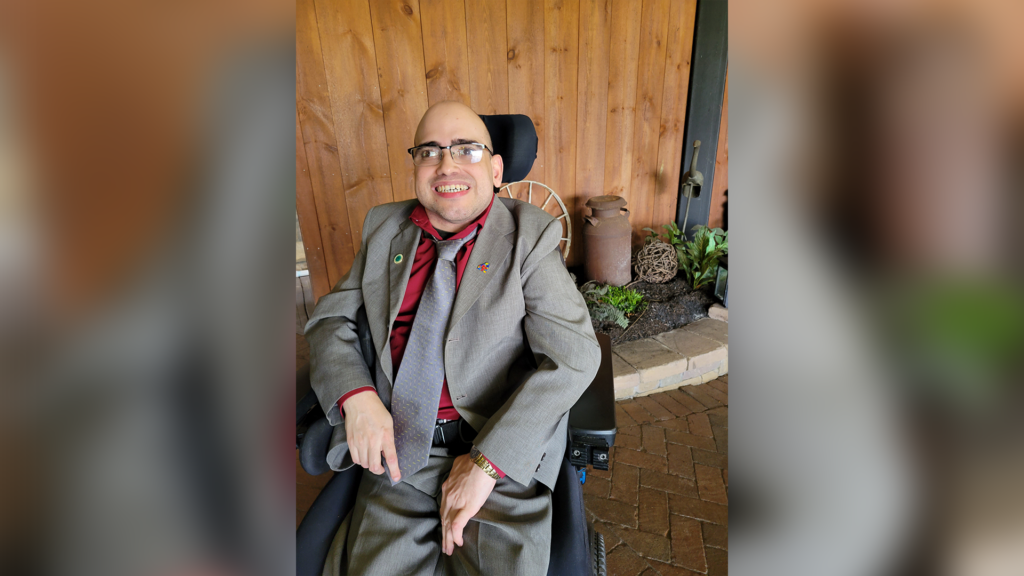
While bipartisan action in Washington is always a welcome sight—notably championed by primary sponsors including New Jersey’s own Congressman Tom Kean Jr.—we cannot allow ourselves to be blinded by election-year timing. It is no coincidence that resolutions protecting disability services gain momentum precisely when key sponsors are preparing for re-election campaigns. As a lifelong advocate living with Cerebral Palsy who has served on various state and National advocacy boards, my message to politicians on both sides of the aisle is simple: prove it.
Show us that disabled Americans are a permanent priority, not a seasonal campaign slogan. Show us that you understand we are an indispensable, vital component of this nation’s economic fabric.
Unfortunately, far too many policymakers still view the disability community through an outdated lens of economic deficit. High-ranking public figures continue to echo dehumanizing rhetoric, implying that individuals with significant disabilities contribute little to the tax base or the workforce.
Such rhetoric is not only offensive; it is economically illiterate.
When people with disabilities are provided with proper accessibility tools, inclusive housing, and home care supports, we do not drain the economy—we stimulate it. Every single dollar invested in Home and Community-Based Services yields a direct economic multiplier effect. Sustainable HCBS infrastructure frees family caregivers to re-enter the traditional workforce, creates stable careers for local direct support professionals, and enables disabled citizens to earn and spend their dollars within their local Main Street economies. Institutionalization costs federal and state taxpayers extraordinary amounts of money, whereas community living fosters local commerce, civic engagement, and tax contribution.
Look around our legislative halls today: massive bipartisan pushes and financial investments are regularly cleared for commercial developments, data centers, and broad physical infrastructure projects. While concrete and steel are important to modern society, people must come first in America. Infrastructure exists to support communities, and people with disabilities are an integral part of those communities.
To leaders stepping up to sponsor and co-sponsor H.R. 4029: thank you for recognizing the immediate urgency of this issue. But to the broader body of Congress, the message from the disability community is clear: put your priorities in order. Validate our economic and human value not merely with temporary resolutions or symbolic gestures, but with fully funded, permanent protections for our healthcare and support systems.
Disabled America is not a political photo-op. We are workers, taxpayers, voters, neighbors, and advocates. We are here, we are paying attention, and we expect legislative action that lasts far beyond election day.
