


 Listen to this article
The basics:
- Rite Aid closes all stores after decades in business
- The company filed bankruptcy twice in less than two years
- Pharmacy assets had been sold to Walgreens, CVS and other pharmacy rivals
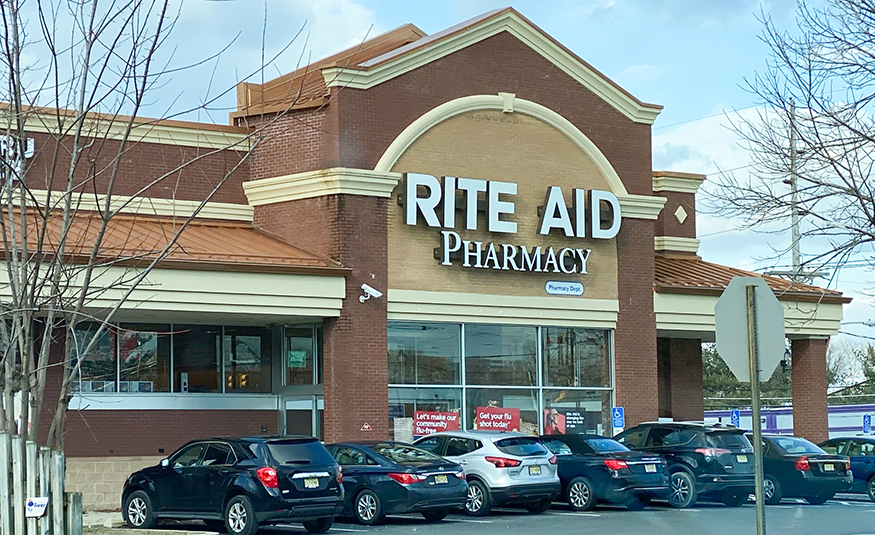
Formerly one of the biggest pharmacy chains in the U.S., Rite Aid has officially gone dark.
In a statement on its website, the bankrupt Philadelphia-based company wrote, “All Rite Aid stores have now closed. We thank our loyal customers for their many years of support.”
All services from the website were removed, but the site remains available for former customers to request pharmaceutical records or locate another nearby pharmacy to fill prescriptions.
A spokesperson for Rite Aid did not immediately respond to a request for comment.
According to The New York Times, the chain shuttered its remaining 89 outposts across the country over the past few days.
Despite more than six decades in the pharmacy industry, Rite Aid has struggled in recent years to keep its business alive. At its peak, the company was the nation’s third-largest standalone pharmacy chain with more than 4,900 locations nationwide.
Second bankruptcy filing
Rite Aid sought bankruptcy for the second time in less than two years in May. At the time, its store count stood at around 1,250 — a significant drop from its roughly 2,000 sites in 2023.

After filing last spring, Rite Aid said it planned to keep stores open while selling off assets to avoid disrupting customers’ prescription services. The company also announced it had secured $1.94 billion in new financing from existing lenders to stay operational during proceedings as well as kicked off numerous rounds of store closures.
Since then, New York-headquartered A&G Real Estate Partners has put nearly all of Rite Aid’s stores on the auction block.
That list included the chain’s entire New Jersey footprint of 60 units, as well as a distribution center in Delran and its 23,144-square-foot headquarters on Intrepid Avenue in Philadelphia.
According to A&G Senior Managing Director Mike Matlat, all properties “have been sold, assigned or rejected and back to the landlords.”
Rite Aid also divested pharmacy assets of its stores to rivals, including Walgreens, CVS Pharmacy, Albertsons and Kroger.
Competition, falling sales
It initially filed for bankruptcy in October 2023 amid competition from larger chains and falling sales. Rite Aid also faced heavy debt from 1,600 lawsuits – including one from the federal government – that accused the company of contributing to the deadly U.S. opioid epidemic.
Eleven months later, Rite Aid emerged from Chapter 11 with a reduced brick-and-mortar presence, decreased debt, new executive leadership and $2.5 billion in exit financing to support the business going forward. Additionally, Rite Aid became a private company with ownership held by many of its creditors.
In its latest petition, Rite Aid said poor performance in its retail business made it difficult to maintain sufficient cash flow and keep inventory stocked.
At the time, company CEO Matt Schroeder said the financial issues were “intensified by the rapidly evolving retail and health care landscapes in which we operate.”
Rite Aid tapped Schroeder to lead as part of the restructuring process associated with the first bankruptcy filing. The 25-year company veteran previously served as executive vice president and chief financial officer.
In a LinkedIn post last week, Schroeder announced he was starting a new position as the chief financial officer at carwash company Spotless Brands.
