

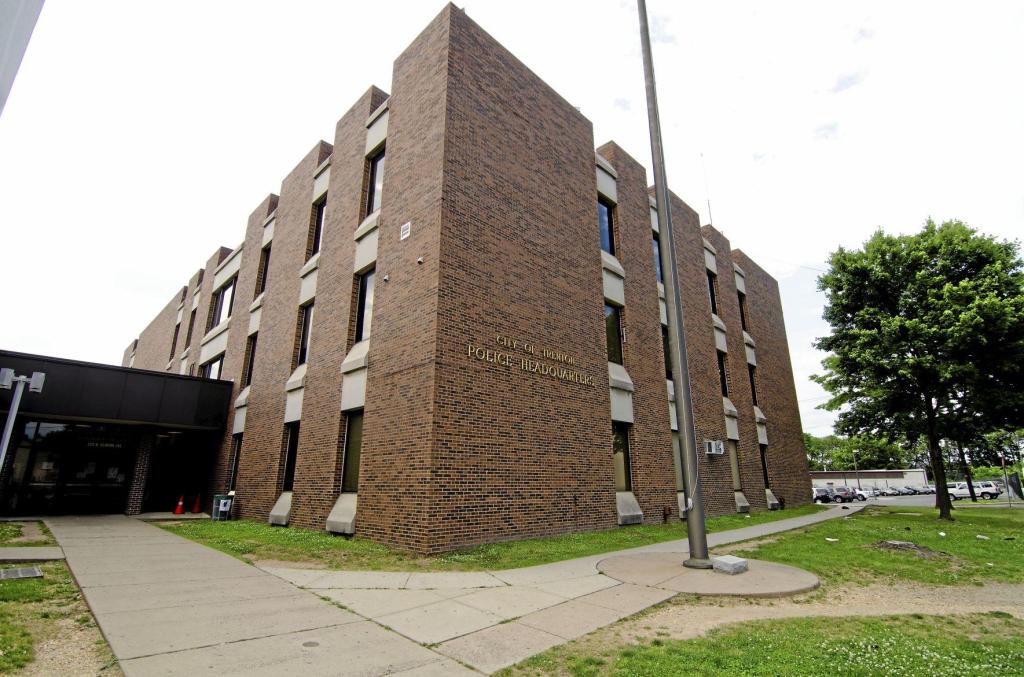
Public safety is a system, not a slogan. It requires disciplined leadership, process quality, and collaboration across every department — police, fire, health and human services, and economic development. Safety must be measured not only by how many crimes are solved, but by how many are prevented. Trenton has made steady progress in solving cases, and that improvement should be recognized. Yet just as important is the work of preventing violence before it occurs. That demands continuous training, especially for our police, in critical thinking, emotional intelligence, and community engagement — because good judgment and empathy save as many lives as quick response and arrest.
In 2020, a group of community leaders and residents conducted a root cause analysis of Trenton’s gun violence. More than seventy participants took part in sessions that revealed a consistent truth: we cannot arrest our way out of violence. The findings showed that the most powerful drivers of violence are economic inequity and poor communication between systems and people. These are not police problems alone — they are citywide challenges that demand alignment between public safety, social services, and opportunity.
The Department of Justice’s report on police misbehavior identified areas that need reform, and those findings must be taken seriously. But the report does not reflect the dedication of the vast majority of officers who serve with integrity and care. The goal of reform is not to criticize but to improve — to apply the same principle of continuous improvement that defines any high-performing organization.
Prevention, however, remains the greatest measure of leadership. Trenton’s two community street teams have shown how prevention works — mediating conflicts, mentoring youth, and connecting residents to services. Their work proves that relationships and opportunity deter violence more effectively than enforcement alone. When the community is active in prevention and residents trust those who serve them, violence decreases and wellness grows.
Community wellness is driven by public service. Every department — from public works to health to economic development — contributes to safety when it serves with purpose and coordination. A well-lit street, a job opportunity, a mental health referral, or a functioning recreation center — each is a safety strategy in disguise.
That’s why Economic Development and Health & Human Services must play a central role in prevention. Together, they can connect residents — especially those living in poverty — to career pathways, apprenticeships, and small business opportunities. By effectively using state and federal grants, and by redirecting funds saved through the elimination of waste, the city can expand job training, youth employment, mental health care, and addiction recovery programs. When families see a path forward — when people can earn, learn, and heal — the conditions that feed violence begin to fade.
We must also acknowledge and applaud the many nonprofits, faith-based groups, and community organizations doing great work every day in Trenton. Their efforts are essential to building safety and stability. The city must partner with them — not manage or direct their work — to address root causes rather than symptoms.
The future of public safety in Trenton depends on systems thinking — connecting our efforts, measuring results, and improving continuously. The true test of leadership is not in reaction after tragedy, but in building a city where prevention, accountability, and compassion work hand in hand.
Editor’s Note: This is the fourth in a series of OpEds from Brother Gene Bouie discussing what leadership in Trenton needs in order to build a better future for the city. Find more on this topic every day this week. Read the first installment here: The Power of Strategic Thinking. Read the second installment here: Fiscal Responsibility & Economic Growth. Read the third installment here: Quality Government & Operational Excellence. Read the fourth installment here: People-Centered Development.
