


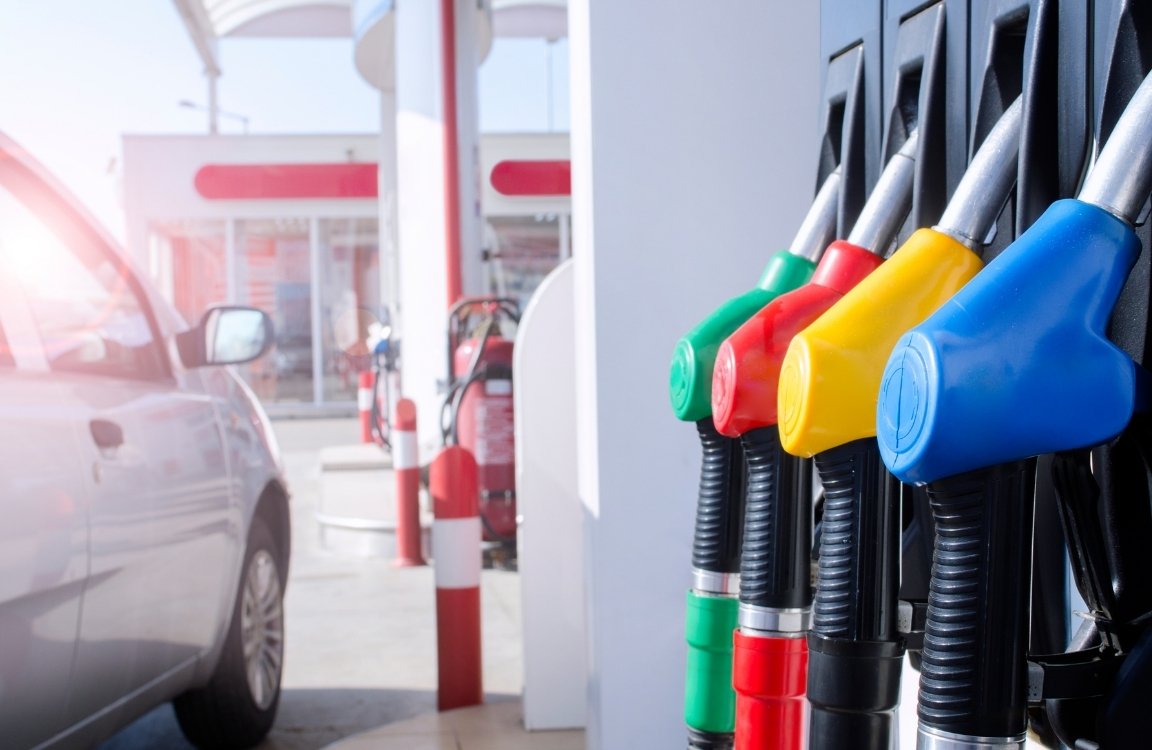
The national average for a gallon of regular gasoline dropped nearly 7 cents from last week to $4.41, according to AAA. This follows a record-setting September at the pump.
The monthly average was $4.33, 50 cents higher than the previous September record of $3.83 set in 2023. Crude oil prices have slid back into the $90-per-barrel range, lowering the national average, but overall gas prices remain the highest they’ve been for this time of year as the crisis in Iran remains unsettled. One month ago, the average was $4.09 and a year ago it was $3.16.
New Jersey’s average price for a gallon of regular gasoline fell 6 cents over the last week to $4.33. Prices have increased 17 cents over the last month, and $1.26 since this time last year.
The cheapest gas in the state is in Warren County at $4.24, while the most expensive county remains Cape May at $4.52.
According to new data from the Energy Information Administration (EIA), gasoline demand decreased last week to 8.68 million barrels a day from 8.84 million. Total domestic gasoline supply decreased to 204.4 million barrels from 206 million. Gasoline production also decreased to 9.46 million barrels per day from 9.59 million.
At the close of Sept. 30’s formal trading session, benchmark West Texas Intermediate (WTI) crude rose $1.04 to settle at $90.42 per barrel. The EIA reports that U.S. crude oil inventories increased 0.9 million barrels to 427.3 million barrels, 2% above the five-year average.
The nation’s top 10 most expensive gasoline markets are mostly in the West: California ($6.40), Hawaii ($5.62), Washington ($5.49), Nevada ($5.49), Oregon ($5.05), Alaska ($5.03), Utah ($4.97), Idaho ($4.97), Arizona ($4.77) and Illinois ($4.71).
The nation’s top 10 least expensive gasoline markets are mostly in the South: Indiana ($3.81), Texas ($3.94), Georgia ($3.96), Mississippi ($3.96), Louisiana ($3.97), Tennessee ($3.97), South Carolina ($3.99), Arkansas ($3.99), Alabama ($4.02) and Kentucky ($4.04).
