

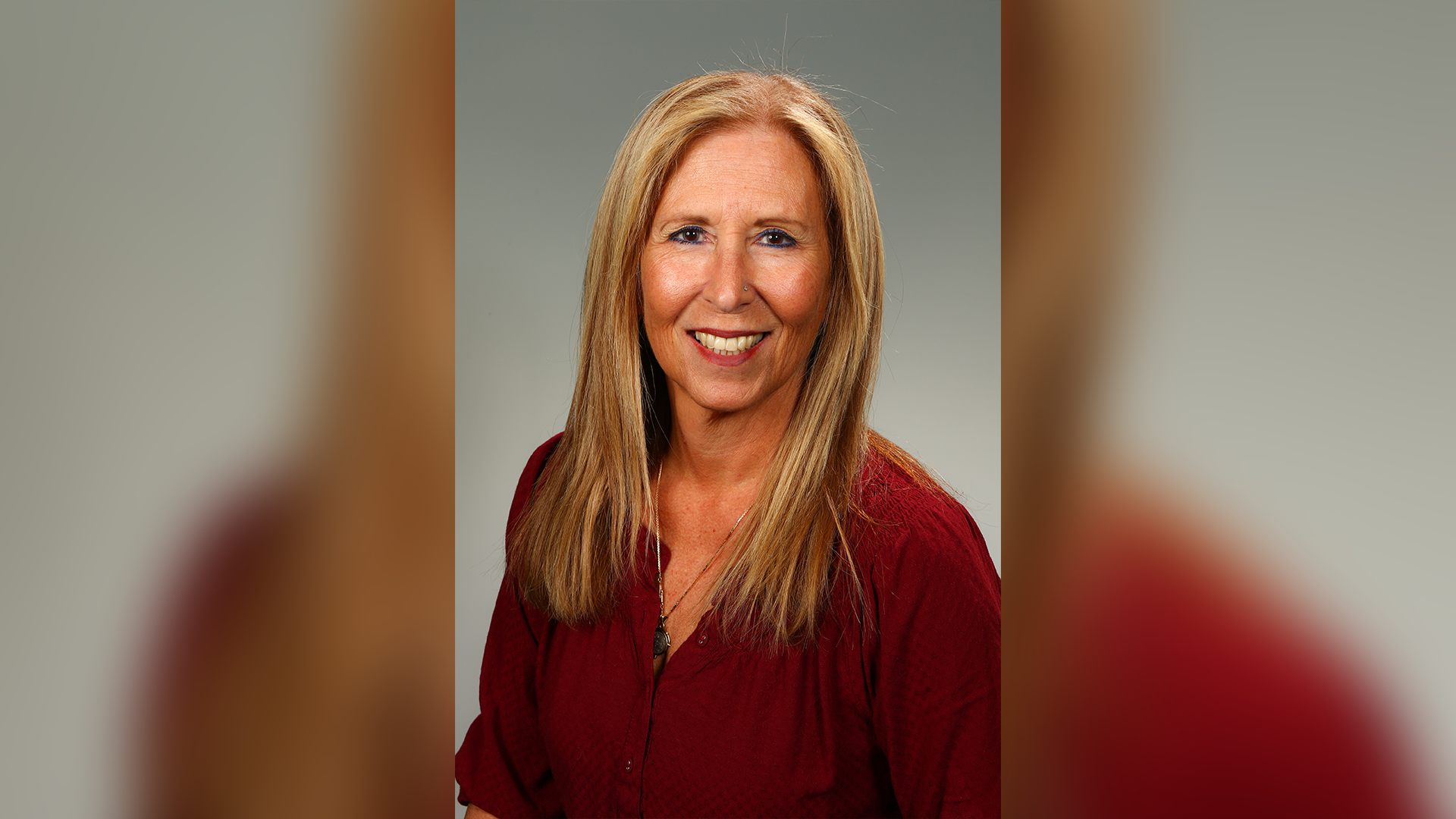
As a doctor of public health, licensed health officer, and professor, I have spent my career at the intersection of public health practice, leadership, and policy. One lesson stands out: protecting the public’s health takes more than identifying problems. It requires leadership, resources, and political will.
That is why the 2026 midterm election of public health professionals, including epidemiologist Abdul El-Sayed in Michigan and former health director Amy Acton in Ohio, is encouraging. But representation is only the beginning. What matters is whether expertise leads to action.
As a health officer, I know communities depend on protections they often notice only when something goes wrong: safe drinking water, food inspections, disease surveillance, and emergency preparedness. As a professor, I teach students to examine how housing, education, transportation, employment, and access to care shape health. As a doctor of public health, I ask: What are we going to do about it?
New Jersey offers two concrete examples of unfinished work. A 2026 law protected access to vaccines and state-based immunization guidance but did not tighten religious exemptions from school vaccination requirements. Previous proposals, including S903 in 2020, would have strengthened documentation of religious objections while retaining the exemption; they failed to become law. New Jersey should revisit reasonable, carefully designed standards that respect religious freedom while protecting children and others vulnerable to vaccine-preventable disease.
New Jersey has also spent years debating dependable support for local health departments. The state eliminated dedicated Public Health Priority Funding in fiscal 2011. Current bills A2162 and S2583 propose at least $10 million annually. These measures remain proposals, but they speak to the daily reality of keeping qualified staff and essential services in place.
Documenting weaknesses in public health systems is not enough; we must strengthen those systems. Passing legislation is not enough; we must implement it, measure whether it works, and improve it when it does not.
We have seen what meaningful investment can look like. The Centers for Disease Control and Prevention’s Public Health Infrastructure Grant has awarded more than $4.6 billion to health departments for workforce, infrastructure, and data systems. That funding matters. But grants with an end date cannot substitute for reliable long-term support, particularly when communities need trained staff and dependable services year after year.
Recognizing health disparities is not enough; we must address their causes. We cannot expect public health to succeed if we fund it only when there is a crisis.
The next Congress, state legislatures, governors, and local officials should treat public health as a responsibility of government, not an afterthought. That means sustained funding for health departments, support for the public health workforce, access to trustworthy health information, evidence-informed prevention, and legislation addressing conditions that drive poor health.
Those decisions extend beyond health committees. Housing, transportation, education, labor, and environmental policy are also public health policy, whether we call them that or not.
Professional credentials alone do not guarantee good decisions. Effective leadership requires listening to communities, working across differences, and being accountable for results. Public health should not belong to one party. Everyone has a stake in safe neighborhoods, preventing avoidable illness, and helping families thrive.
Public health professionals also have work to do. We must explain what prevention accomplishes, engage residents, bring evidence to policymakers, and help turn sound proposals into results.
I remind my students that public health is everywhere, even when people do not recognize it. When prevention works, success can be invisible. When we fail to invest, the consequences are not.
The election is over. The work of protecting the public’s health continues. Now is the time to act.
